Certified Arborist Consultation and Tree Inventory Reports
You can learn a lot about a tree by looking at it from the curb. You can learn far more by measuring crown spread, boring a pencil‑thin resistograph line through a suspect trunk, cross‑checking species against regional pest pressures, and logging all of that into a map that lives with the property. That is the heart of a certified arborist consultation and a proper tree inventory report. It turns a cluster of green shapes into living assets with risk profiles, maintenance needs, and budgets you can plan around.
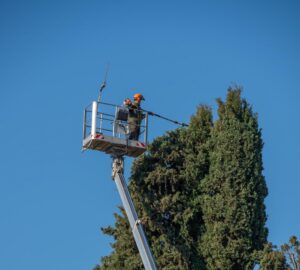
Why bring in a certified arborist
Certified arborists train on physiology, soils, biomechanics, and safe work practices. The certification does not make anyone infallible, but it does set a baseline of knowledge and ethics. In the field, that shows up as practical judgment. I have stood under a tulip poplar that looked fine from the driveway, then found a tension crack on the backside that changed the whole conversation about play sets and picnic tables. I have also defended perfectly stable Douglas firs from hasty removal because wind flags on the foliage pointed to an irrigation leak, not root failure.
The biggest mistake I see is treating trees as interchangeable decor. Species drive everything. A honeylocust tolerates urban compaction better than a red maple. A Deodar cedar may handle drought but hates standing water. If you do not calibrate decisions to the individual species, site, and history, you end up paying for work that does not solve a problem, or worse, creates one.
What a consultation covers, practically
On site, the first pass is always about context. Where is drainage going after a storm. How close are utilities, both overhead and underground. What targets sit within striking distance if a large limb fails. With that mental map built, we look tree by tree. We note crown vigor, shoot extension compared to prior years, leaf color and size by quadrant, and any asymmetry that might signal root plate issues or phototropic strain. At grade, we probe for girdling roots and inspect the flare. We tap for hollows where appropriate and note conks or exudates that point to decay fungi. We look for borers, scale, and seasonal diseases that might be regional. Then we talk about goals, because a school courtyard and a rental duplex do not share the same risk tolerance.
That inspection turns into recommendations, and the best ones are staged, not all at once. Maybe you reduce load now through selective Tree Pruning & Crown Shaping, then reassess in 12 months with new growth data before deciding on Tree Cable and Bracing. Maybe you hold off on fertilization because soil tests show plenty of macronutrients but a pH that is tying up iron. Good arboriculture is rarely a single event. It is a calendar.
The anatomy of a tree inventory report
A tree inventory report is not just a spreadsheet. Done right, it provides an operational plan and a record that satisfies municipal compliance, risk management, and budgeting. Typical content includes species, diameter at breast height, total height, crown spread, condition rating on leaves, branches, trunk, and roots, plus a site rating that factors soil, irrigation, and conflicts. We log GPS or site map coordinates so anyone can find tree 47 two years from now without guessing. We add photos for baseline comparisons. When I update inventories, I look for trends. A crown that has lost 30 percent density in three years triggers a different response than a one‑off bad season during drought restrictions.
Risk is a separate layer. Most reputable inventories use a qualitative risk rating that considers the likelihood of failure, the likelihood of impact to a target, and the consequences if it happens. A mature oak leaning over a busy sidewalk with advanced decay at the base gets a higher rating than the same oak over a native understory where there are no regular targets. That nuance matters. It protects useful, older trees that can be preserved with modest intervention and flags the few that cross a threshold where Dangerous Tree Assessment and Removal is warranted.
The best inventories also include maintenance actions with timeframes. Light structural pruning within 12 months for six young trees to establish good branch spacing. Remove deadwood over 3 inches on two mature elms before winter storms. Monitor one ash for emerald ash borer next spring when adult activity peaks. Include estimated costs, ideally as ranges, so owners can see the shape of the next three years of work rather than a single surprise invoice.
Tools, tests, and the limits of instruments
The tools get fancier every year, but they are aids to judgment, not replacements. A resistograph chart that shows a drop in resistance does not diagnose a failure on its own. You interpret it in the context of species, decay patterns, and the structural demands on that part of the trunk. Sonic tomography builds a cross section of density, helpful for large trees where drilling many points would be invasive. Air spades expose root flares without damage and are invaluable when previous grade changes buried a trunk flare. Drones help in tight courtyards or over steep slopes to inspect the upper crown safely. GIS platforms tie it all together so your inventory is searchable, filterable, and mapped.
I have had instruments suggest trouble that turned out to be old wound wood with odd grain, and I have seen pristine charts on trees that failed due to saturated soils and an undercut root plate. Boots on the ground, hands on bark, and that walk around the backside where the wind loads tell a different story, still carry the day.
When Tree Removal Services are the right call
No one wants to remove a mature tree without cause. You lose canopy, shade, wildlife value, and often significant property character. Still, there are situations where Tree Removal Services are the responsible choice. A cottonwood with trunk decay at 40 percent of diameter, leaning into a daycare play area, is not a candidate for aggressive reduction pruning and hope. A long‑neglected silver maple that has thrown two large leaders in the past five years with visible included bark at the main union likely carries chronic risk. When we recommend removal, the report explains the failure mode we are concerned about, alternative mitigations attempted or considered, and why they do not meet the risk tolerance on site.
Timing matters. On constrained sites with utilities, a winter removal while the ground is firmer may reduce lawn damage. Near nesting habitats, local regulations can limit windows. A good inventory stores these constraints so you can schedule months ahead, not scramble later.
After the felling: Stump Removal & Grinding done right
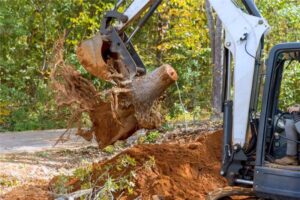
Stumps left at grade sprout in many species, especially if roots are vigorous and irrigation is present. Stump Removal & Grinding prevents regrowth and clears the area for replanting or hardscape. Depth depends on future use. Turf areas tolerate 6 to 8 inches. A new tree in the same spot needs substantially more because large roots radiate outward and will rot over years, subsiding and destabilizing. We often recommend offsetting the replacement tree by several feet and grinding 12 to 18 inches deep in the original footprint.
Utilities are the trap here. Call before you dig applies to grinders too. I have uncovered old, unmarked irrigation mains, and once, a shallow telecom line that saved us all headaches because we checked. Chips make good mulch in beds after a few months of composting, but I avoid using fresh chips from diseased trees near susceptible hosts.
Pruning with a purpose, not by habit
Tree Pruning & Crown Shaping is not a cosmetic service. It is structural engineering with a saw. On young trees, you set the scaffold, choose a central leader when appropriate, and establish good branch spacing to distribute load. On mature trees, the goal is risk reduction and health. That might be reducing end weight on overextended limbs, removing deadwood large enough to cause damage if it falls, or thinning selective interior branches to improve airflow without lion‑tailing the crown. Species knowledge is critical. A birch tolerates little weight reduction without stress. A plane tree can handle more, but reacts with vigorous sprouting if taken too far. Season influences response as well. Pruning oaks in high disease pressure areas during peak vector seasons invites trouble.
The inventory should capture pruning cycles. A commercial site with parking exposure might default to a two to three year deadwood and clearance cycle. Residential heritage trees often settle into a three to five year pattern with monitoring after major wind events.
Holding together what matters: Tree Cable and Bracing
Sometimes a valuable tree develops a structural defect that elevates risk but does not demand removal. Included bark at a co‑dominant union is a classic case. A well designed Tree Cable and Bracing plan can share load between leaders and reduce the chance of separation. There is art to this. Hardware placement must align with load paths, and materials should match expected loads and growth rates. Dynamic systems can allow some movement, distributing forces, while static systems hold more firmly at the cost of increased internal stresses. Every system needs periodic inspection and eventual replacement. The inventory makes that schedule explicit, with reminders aligned to service life, often in the 7 to 10 year range for many systems depending on site conditions.
The hard calls: Dangerous Tree Assessment and Removal
Dangerous Tree Assessment and Removal starts with a sober look at targets and defect likelihood. We document defects with photos and measurements. We measure lean with a clinometer, test for basal hollows, and probe root crowns. We review weather exposure, soil saturation tendency, and recent disturbance like trenching. If the risk crosses an agreed threshold, we plan removal with containment in mind. Tight sites may require a crane to hold and swing sections out cleanly. In wildfire interface zones, we consider how removal changes ember travel and defensible space, integrating FireSmart Tree Services thinking into the replacement plan.
Owners deserve options. Sometimes reducing crown sail and installing supplemental support buys time to reach an important life event under that tree, a graduation or a sale closing. If the physics do not support the delay, I say it directly and document it.
FireSmart Tree Services and inventories in the wildland urban interface
In fire‑prone regions, inventories take on a different flavor. We identify ladder fuels, species with resinous or fine twig structures that ignite readily, and branches within the ember exposure zones of roofs and vents. FireSmart Tree Services focus on creating defensible space, typically tiered into zones, with attention to spacing, crown lift heights, and the strategic removal or modification of vegetation close to structures. Not every juniper near a deck means chainsaws. Sometimes thinning and separation by a few feet, combined with ember resistant screens and clean gutters, shifts risk substantially.
The inventory assigns maintenance frequencies that hold the line over time. A pristine Zone 1 in May can be a hazard by September if annual grasses cure and low branches sprout during a wet summer. We tag species likely to drop fine fuels through the season and schedule clearance before peak heat and wind patterns in the region.
Construction, roots, and the cost of good fences
Development and trenching do more damage to trees than storms in many neighborhoods. In inventories tied to construction, we establish tree protection zones based on species and size, often one foot of radius per inch of trunk diameter as a starting point, then adjust for site specifics. We map critical root zones, place sturdy fencing, and specify what can happen inside the protected area, often nothing except arborist supervised work.
Air spading to explore root architecture helps avoid severing key structural roots when installing utilities. When minor root pruning is unavoidable, we cut cleanly, never tear with a backhoe, and we seal the soil back promptly to prevent desiccation. The inventory records every cut and compaction event because those records explain crown changes two years later when someone asks why a branch died back above the new driveway.
Municipal compliance, insurance, and the paper trail that matters
Cities and insurers care about trees, often in different ways. Some municipalities require permits for major pruning or removal, particularly for protected species or sizes. Inventories speed up that process by providing measurements, photos, and professional opinions aligned with local standards. Insurers look for documented risk mitigation. After a storm claim, a dated report showing that deadwood over a specified size was removed within the last cycle can change the conversation.
For homeowner associations and campuses, inventories function as shared memory. Staff turn over. Without records, you repeat diagnostics, redo budgets from scratch, and miss seasonal windows. With a living inventory, you see which contractor pruned what, when the last Tree Cable and Bracing inspection happened, and which trees are flagged for the next cycle of Tree Pruning & Crown Shaping.
Storms and the pace of Emergency Tree Services
When a storm hits, Emergency Tree Services unfold in triage mode. Inventory data shortens that frantic phase. We already know which trees overhang critical access, which have support systems that might have been stressed, and which carry latent defects. Crews can move directly to the highest consequence sites, clear downed limbs that block egress, and stabilize partial failures that threaten structures. It is the difference between a dozen phone calls with guesses and a single map with priorities.
Safety rules change under pressure. Chains on slick slopes, energized lines in contact with wood, unstable root plates rocking back into holes, all of it calls for trained hands and the right gear. Property owners sometimes want to help, but this is where staying back matters. A clean‑up bill is preferable to a life‑changing injury.
Two brief stories from the field
A mid‑century school had 64 trees across four courtyards and parking edges. Their administrator called after a branch grazed a classroom window. The instinct was to budget for widespread removals. The inventory found a pattern, not a crisis. Seven sweetgums planted from the same nursery batch were choking on girdling roots and throwing limbs under wind load. We root‑collared, reduced end weight strategically, and scheduled removal and replacement for three of the seven over two fiscal years. The rest of the campus got light structural work and a new pruning cycle. The window incident did not repeat, and canopy coverage remained steady through the transition.
On a steep lot in the wildland urban interface, a client worried about a cluster of old pines near a wood‑shingle cottage. The knee‑jerk recommendation from a non‑specialist had been clear cut the slope. Our FireSmart analysis flagged two pines for removal due to pitch canker and lean over the only access road, recommended crown lift and spacing adjustments on the rest, and addressed ember vulnerabilities on the house itself with vent screening and surface treatments. The property kept its wind break, reduced ladder fuels, and significantly lowered ignition risk without creating an erosion problem on the slope.
How property managers use inventories over time
For multi‑site portfolios, an inventory becomes a planning platform. You filter by risk, schedule only the high priority items this quarter, and push non‑critical work to off‑season when crews cost less. You forecast three years of spend and align it with capital improvements. When tenants request tree work, you look up the record before approving anything, which prevents well‑meaning but harmful topping or trenching.
I often advise managers to track performance metrics. Did the number of emergency calls drop after the first pruning cycle. Are there fewer claims from parked car dents each winter. Is canopy coverage holding or improving. Small bits of data like that justify budgets and keep trees in the conversation as assets, not liabilities.
What to expect during a Certified Arborist Consultation
- A site walk to understand targets, constraints, and owner goals, followed by a tree‑by‑tree visual assessment with notes and photos.
- Measurements of key trees, including diameter, height estimates, crown spread, and any defect diagnostics appropriate to the situation.
- A discussion of findings on the spot, with immediate safety concerns addressed and longer term options outlined with trade‑offs.
- Delivery of a written summary or full tree inventory report, depending on scope, with risk ratings, recommended actions, and scheduling windows.
- A follow‑up to refine priorities, align budgets, and set the first cycle of work such as Tree Pruning & Crown Shaping, Tree Cable and Bracing inspections, or FireSmart Tree Services.
Budgeting and value without guesswork
Costs vary by region, access, tree size, and scope, but patterns help frame decisions. A stand‑alone consultation typically sits in the low hundreds. A full inventory for a residential block or small campus often runs into the low thousands depending on the number of trees and reporting depth. Pruning a mature, large tree can range widely based on clearance needs and risk profile, from a few hundred to a couple of thousand. Crane supported removals with skilled rigging on tight urban lots cost more, sometimes several thousand per tree. Stump Removal & Grinding is usually a separate line item priced by diameter and depth.
What matters is the before and after. I have watched portfolios drop their emergency tree calls by half within two years of adopting cyclical maintenance plans tied to inventories. One hospital campus saved a five figure sum in a single https://elliotchie020.lowescouponn.com/deep-stump-removal-grinding-for-replanting-readiness winter by addressing deadwood and end weight before storms rather than during them. On the other end, I have also seen well‑intentioned owners spend heavily on fertilization and cosmetic pruning when the site problem was compaction and poor drainage. A good report prevents that waste.
Choosing the right partner
- Credentials and insurance verified in writing, with recent, relevant project references you can call.
- Clear, written scope that distinguishes between Tree Removal Services, maintenance pruning, and inspection, so you know what you are buying.
- A sample inventory report that shows data quality, photos, maps, and risk methodology you can understand.
- Willingness to discuss alternatives, including staged work, Tree Cable and Bracing when appropriate, or Dangerous Tree Assessment and Removal only when justified.
- Safety culture visible in gear, crew training, and job briefings, especially for Emergency Tree Services where conditions are dynamic.
Replanting and the long view
Removal without replacement shrinks canopy and heats neighborhoods. When we do remove, the inventory should point to replanting opportunities. Species selection respects future site conditions, not just what looks good this weekend at the nursery. Under lines, pick trees that mature below the conductor height. Over hardscape, choose root systems that play well with soil cells or structural soil, and plan for irrigation during establishment. Diversity across a property limits the risk of a single pest or disease turning into a canopy‑level problem a decade from now. A rule of thumb I like is the 30‑20‑10 approach, not more than 30 percent of a family, 20 percent of a genus, 10 percent of a species. It is not absolute, but it forces variety.
Document replacements in the inventory with planting dates, stock sizes, and sources. Early mortality often traces back to planting depth, watering practices, or root defects visible at purchase. Those notes help correct course on the next round.
The bottom line
A certified arborist consultation and a well built tree inventory report do more than check boxes. They turn trees into managed assets with known risks, planned maintenance, and a clear case for their value. The work spans services, from Tree Pruning & Crown Shaping to Tree Removal Services and Stump Removal & Grinding, from Tree Cable and Bracing to Emergency Tree Services when the weather tries to unwrite your plans. In fire country, FireSmart Tree Services and a practiced eye for ladder fuels slot into the same framework. When you bring that all under one thoughtful plan, you get safer sites, healthier trees, fewer surprises, and a record that stands up to city hall, your insurer, and your future self.
Ace Tree Services Ltd.
Name: Ace Tree Services Ltd.Address: 4656 Wallace Hill Road, Kelowna, BC
Postal code: V1W 4C2
Phone: 250-212-9593
Website: https://acetree.ca/
Hours:
Monday: 7:00 AM - 5:00 PM
Tuesday: 7:00 AM - 5:00 PM
Wednesday: 7:00 AM - 5:00 PM
Thursday: 7:00 AM - 5:00 PM
Friday: 7:00 AM - 5:00 PM
Saturday: 7:00 AM - 5:00 PM
Sunday: Closed
Open-location code (plus code): RHF8+8G Kelowna, British Columbia, Canada
Map/listing URL: https://www.google.com/maps/place/Ace+Tree+Services+Ltd./@49.8232606,-119.4337283,659m/data=!3m2!1e3!4b1!4m6!3m5!1s0x537d8b1d074815c5:0x450b88afa7a41435!8m2!3d49.8232606!4d-119.4337283!16s%2Fg%2F11ydkpnh22
Embed iframe:
Ace Tree Services Ltd. provides professional tree removal, pruning, stump grinding, emergency response, and arborist consultations for properties in Kelowna and across the Okanagan Valley.
The company works with homes, commercial properties, and municipal settings where tree work needs to be planned carefully around buildings, fences, driveways, landscaping, and other site constraints.
Based in Kelowna, the team is positioned to help nearby neighbourhoods and surrounding Okanagan communities with routine tree care and time-sensitive storm cleanup.
Customers looking for careful tree work often want a crew with certified arborist training, insurance, and a methodical approach to higher-risk removals.
Services also include dangerous tree assessment, cabling and bracing, and wildfire risk reduction tree work for properties that need longer-term planning.
To request a quote or discuss tree care options, call 250-212-9593 or visit https://acetree.ca/.
A public map listing is available to help customers confirm the business location and get directions before a site visit or estimate.
For Kelowna property owners who need pruning, removals, or emergency tree help, a local tree service can make it easier to schedule site-specific recommendations and cleanup.
Popular Questions About Ace Tree Services Ltd.
What services does Ace Tree Services Ltd. provide?Ace Tree Services Ltd. lists tree removal, stump removal and grinding, tree pruning and crown shaping, emergency tree service, arborist consultation, dangerous tree assessment and removal, cabling and bracing, and wildfire risk reduction tree work.
Who does Ace Tree Services Ltd. serve?
The company describes its work as serving homes, businesses, and municipalities in Kelowna and across the Okanagan Valley.
Is emergency tree help available?
Yes. Emergency service is listed for downed or uprooted trees, dangerous tree assessment, stabilization work, and branch cleanup. If a tree is near power lines, the safest first step is to stay clear and contact the utility provider before any tree work begins.
Do I always need a permit to remove a tree?
Not always. Permit requirements can depend on where the tree is located and whether it is near a creek, lake, steep slope, or another protected area. It is best to check local rules for the specific property before removal work starts.
How deep does stump grinding usually go?
Standard stump grinding is typically described as going about 6 to 12 inches below ground level, which is often enough for grass or surface landscaping. Deeper grinding may be possible when site plans call for it.
How much of a tree can be safely removed at one time?
That depends on the species, age, health, and structure of the tree. In practice, good pruning is usually about removing the right limbs for health, clearance, and structure rather than chasing a fixed percentage.
What are common signs that a tree may be dangerous?
Large dead limbs, visible cracks, a new lean, root damage, canopy dieback, or storm-related damage can all be warning signs. Trees near structures deserve extra attention when any of those issues appear.
What is cabling and bracing in tree care?
Cabling and bracing are support systems used to reduce the risk of failure in trees with structural weaknesses that may still be worth preserving. They are generally used to add support, not to replace good assessment and ongoing maintenance.
How do I contact Ace Tree Services Ltd.?
Call 250-212-9593.Website: https://acetree.ca/.
Landmarks Near Kelowna, BC
Downtown KelownaThe downtown core is a practical reference point for lakefront neighbourhoods, mixed-use streets, and central residential properties. If your property is near downtown, tree pruning, removals, and cleanup can be planned around tighter access and nearby structures.
Knox Mountain Park
This well-known park north of downtown is a recognizable landmark for nearby homes and hillside properties. If you are close to this area, ask about tree assessment, trimming, or removal work suited to sloped sites.
Mission Creek Greenway
The greenway runs through several parts of Kelowna and is a useful landmark for nearby residential areas. If your property borders or sits near this corridor, site-specific tree planning is especially important.
Pandosy Village
Pandosy is one of Kelowna’s most recognizable neighbourhoods and a common reference point for south-central properties. If you are nearby, request help for pruning, removals, or storm cleanup around homes and small commercial sites.
Rutland
Rutland is a major east Kelowna neighbourhood with a mix of residential and local commercial properties. If you are located in or near Rutland, tree work can be scheduled for both routine maintenance and urgent situations.
Landmark District
This central business-focused area is a practical landmark for offices, service properties, and nearby residential streets. If your site is near the district, ask about careful tree work around parking, access lanes, and built-up lots.
Kelowna’s North End
The North End sits on the edge of downtown and is a useful reference for nearby homes, industrial sites, and commercial properties. If you are in this part of the city, request tree care based on the layout and constraints of the lot.
Airport District
The Airport District is a recognizable north Kelowna reference point for surrounding properties and access routes. If you are in this area, ask about tree services for residential acreage, commercial sites, or roadside cleanup needs.
Glenmore & Dilworth
These established Kelowna neighbourhoods are useful landmarks for central and north-central service calls. If your property is nearby, pruning and removal work can be tailored to mature trees and established landscapes.
Highway 97 Corridor
Highway 97 is one of the city’s main travel routes and a common way to describe location within Kelowna. If your home or property is just off the corridor, a clear landmark reference can help speed up quote scheduling and site planning.