Real-Time Dangerous Tree Assessment and Removal After Storms
Storms do not knock politely. They rip limbs, twist trunks, and leave compromised trees leaning toward homes, roads, and power lines. In those first hours after high wind, ice, or heavy rain, decisions have to be fast and correct. The work is specialized, and the margin for error is thin. I have cut oak tops at midnight with sleet needling my face, and I have waited until noon under blue sky because the ground was too saturated to hold a crane safely. Judgment, not bravado, keeps people and property safe.
This is a field guide to how experienced arborists handle real-time dangerous tree assessment and removal after storms. It blends procedure with seasoned judgment, because every site is a puzzle and the weather keeps resetting the pieces.
The first hour matters most
Storms create dynamic hazards. A tree that was marginal on Tuesday may be a loaded spring on Wednesday morning. Saturated soils loosen root plates. Wind gusts create partial failures that only reveal themselves when the wind shifts. Ice builds weight unevenly. The physics change by the minute.
In the first hour, the goal is not to solve everything. The goal is to make sure no one gets hurt. If you are a homeowner, step back and treat every downed line as energized. Do not cut wood that is binding or pinched, and do not use a ladder on unstable ground. Call professionals who offer Emergency Tree Services. If you are an arborist, set your perimeter, slow your breathing, and start the assessment with a clear head.
Here is the short safety checklist I give to clients when they call right after a storm:
- Assume all wires are live and keep a minimum of 35 feet of distance.
- Do not enter a yard if you hear cracking, popping, or see shifting soil near a leaning tree.
- Keep pets and children inside and close blinds on the side facing a compromised tree.
- Photograph damage from safe vantage points for insurance, then stop moving around the site.
- Call a company that provides Certified Arborist Consultation and clearly state if life, access, or utilities are blocked.
What actually makes a tree dangerous
People often point to the biggest broken limb, but size is not the primary risk driver. Risk is the intersection of likelihood and consequence. We look at how a tree is likely to fail, where it will land, and what it will hit. During Dangerous Tree Assessment and Removal, we categorize hazards that accelerate failure under storm load.
Common red flags include root plate movement or soil heaving on the compression side of a lean, which often shows as a fresh mound or a crescent crack in the soil. We look for longitudinal cracks along the trunk, especially on the tension side of a bend. Bark seams with recent separation, freshly exposed sapwood, or sudden discoloration can reveal hidden shear. At branch unions, included bark creates weak points that a gust will exploit. In softwoods, spiral grain and torsional cracks after a wind event can foretell a top that will twist off. In hardwoods, co-dominant leaders with long-standing decay columns are prone to splitting when saturated. And any storm that brings salt spray or ice can add surprise loads that appear minor but alter balance.
We also study targets. A tree overhanging an egress door, a road with active traffic, or a gas service line demands different urgency than the same tree over a lawn. Removing a high-risk component that protects access for first responders matters more than a cosmetic limb. After a squall line, we triage accordingly.
What a real-time assessment looks like on site
The first ten minutes at a site are reconnaissance. We stand still and listen for sounds of ongoing failure. We scan 360 degrees for hung limbs, utility lines, trip hazards, and changing conditions like wind gusts or rising water. We note the location of the nearest hydrants, shutoffs, and driveways wide enough for a bucket truck or crane, then mark safe approach routes.
Tools help, but eyes and ears lead. A mallet tap test can identify hollow sections by sound. A fiber scope or resistograph can measure decay, although we rarely deploy them in the first pass if hazards are acute. Binoculars or a drone extend our view into canopies, but the operator has to read movement cues and not just take pictures. On a winter night, a strong headlamp can show frost sublimation or micro-movements that give away a pending let-go.
When power lines are involved, we coordinate with the utility before any cutting. No exceptions. Wood can conduct when wet. If lines are tangled in the canopy, we often stage a two-part response, clearing ground access first and waiting for de-energization before addressing upper wood. This deliberate pacing looks slow to onlookers, but it saves lives.
We document with photos and short notes for the client and the insurer, then provide a quick verbal briefing. Clear communication sets expectations and buys the time needed to work safely.
A triage plan that fits the storm, not a template
Every storm leaves a different footprint. A dry microburst might snap tops cleanly, which favors aerial removals. A prolonged rain with moderate wind often uproots shallow-rooted species and tips them whole, which shifts the job to ground-based stabilization and controlled release.
When multiple clients call at once, we apply a triage framework that weighs life safety and infrastructure first. A leaning tree that threatens a sleeping area at night is a higher priority than one that menaces a tool shed. A blocked driveway that prevents a medical appointment comes next. Downed trees that only affect fences or sheds wait until the urgent jobs are covered. We also factor in logistics. If two crane jobs sit within a mile of each other, it makes sense to address them in sequence while the crane is on site rather than bouncing across town.
A step-by-step workflow for emergency removals
Emergency removals succeed or fail on sequence. The following field workflow has held up across wind, ice, and sleet, and it keeps surprises to a minimum:
- Stabilize the situation by isolating the site, controlling pedestrian and vehicle traffic, and coordinating with utilities and first responders.
- Create safe access for personnel and equipment, including temporary matting on saturated ground and rigging anchor selection.
- Remove immediate overhead hazards such as hangers and compromised tops using a bucket, crane, or pole saw, always cutting from a position that is not under the load path.
- Reduce load strategically by shortening levers and lowering weight in small, controlled pieces with rigging systems sized for the expected forces.
- Finish with stump decisions, root plate management, and debris handling, choosing between temporary leaving of a tipped root mass for soil rebound or immediate extraction if re-righting is impossible.
This sequence flexes. In a tight courtyard, we sometimes reverse steps three and four by pre-rigging a leader before removing hangers so we have a controlled anchor in place. In ice conditions, we may spend an extra hour knocking off weight at the tips before touching stems, because that inch of ice can add hundreds of pounds to a single limb.
Rigging, cranes, and the physics of bad angles
Storm work is rigging work. Wood that looks light when static becomes heavy when it swings. A 300 pound limb at the end of a 20 foot lever can generate forces that quickly exceed the safe working load of small gear if it free-falls into the system. We use load cells, friction devices, and redirects to keep angles honest. We avoid hard on off angles that triple the load on a sling. We discuss cut types before the saw starts. A snap cut on storm-torqued fibers can be explosive, so a offset step cut that eases fibers gradually may be safer.
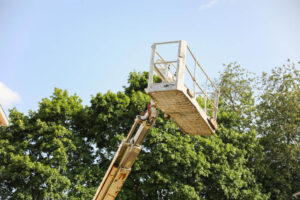
Cranes are force multipliers, not magic wands. We bring a crane when the tree cannot be pieced down safely by rope or access is required over delicate assets like tile roofs or pools. Ground bearing pressure matters. A 90 ton crane with 100 feet of boom can exert thousands of pounds per square foot under an outrigger. On rain-saturated soil, that sinks fast. Timber mats or steel plates spread the load, but sometimes we wait for a 24 hour drying window. Patience is part of the plan.
Bucket trucks extend reach but have limits in wind. At gusts beyond 25 to 30 mph, a bucket can become a sail and the job turns into a rescue waiting to happen. On those days, we hedge with pole saw work from protected positions or postpone aerial work until wind stabilizes.
Coordination with first responders and utilities
Storm scenes often mix trees with cars, roofs, and power. We maintain radio contact with fire, police, and utility crews where appropriate. If a ladder truck needs a clear egress route, we make that the first cut. If the utility has locked out a line, we require visual confirmation and still treat it with respect. When gas service lines lie under root plates, we probe and mark before any trenching or grinding. A call to locate underground utilities is not a delay, it is due diligence.
Temporary stabilization when removal must wait
Not every dangerous tree can come down the same day. Nightfall, wind spikes, or utility constraints may force a pause. We sometimes stabilize with Tree Cable and Bracing to hold a split union together overnight, or we guy a leaning trunk to ground anchors to reduce movement until the crane arrives at dawn. These are stopgaps, not permanent fixes, and we explain the limits to the owner. Rain, wind shift, and soil condition can overrun a brace. Documentation and clear signage at the site keep neighbors and curious passersby out of harm’s way.
What homeowners should expect from a professional crew
A company offering Emergency Tree Services should arrive in marked vehicles, present proof of insurance on request, and put a qualified lead on site who can make decisions. If your situation is less urgent but complex, a Certified Arborist Consultation adds rigor. Expect an assessment, a plan explained in plain terms, and a written scope. Ask about cleanup standards. Some clients want a stump flush cut, others want full Stump Removal & Grinding. In muddy conditions, ask how the crew will protect lawns and hardscapes. Mats, plywood, and tracked equipment reduce ruts. A firm that does a lot of storm work will volunteer these details without prompting.
Pricing after storms gets touchy. Labor and equipment rates do not change because of urgency, but overtime, night work, and specialized gear can add cost. For light to moderate tasks without crane access, small removals might fall in the low thousands. Complex crane picks, blocked access, or utility-coordinated work can climb several times higher. A reputable outfit will explain factors, not hide them.
Documentation for insurance and peace of mind
Insurers care about cause, extent, and mitigation. Crews should provide date-stamped photos, a brief narrative of the hazard, and the steps taken to secure the site. Keep receipts for temporary housing if a home is unsafe. If a https://troyhbmc315.theburnward.com/certified-arborist-consultation-for-new-homebuyers neighbor’s tree fell onto your property, local statutes often define responsibility based on ownership and maintenance history. We do not play attorney, but we can provide factual records that help adjusters sort responsibility.
After the cut, the site still needs thought
Once the tree is down and the immediate hazard is gone, the work shifts to aftermath. Stump decisions matter. If the tree failed due to root rot, full Stump Removal & Grinding reduces habitat for decay fungi that can spread to adjacent hosts. In wet periods, we often delay grinding a few days to let soils firm up, which helps avoid a muddy crater. If a tipped root plate springs back after the stem is cut, the sudden movement can be violent. We exclude people and pets from the rebound zone and cut from a safe, offset stance.
Debris handling should be proportional to the site. Some clients want limbs chipped on site and logs stacked for firewood. Others want a full haul-out. If wood shows signs of disease like oak wilt or Dutch elm disease, we manage disposal carefully to prevent spread.
Replanting belongs in the plan. A removed shade tree changes microclimates. Expect hotter patios and faster lawn desiccation the next summer. Choose replacement species with roots that suit local soils, and plant outside the original failure footprint if decay remains active underground.
Prevention and risk reduction before the next storm
The most satisfying storm job is the one that never happens because the tree was prepared. Good Tree Pruning & Crown Shaping over the life of a tree reduces lever arms and removes structurally weak attachments before they fail. We aim to thin selectively, not lion-tail. We shorten overly long laterals so wind passes through the crown rather than grabbing it like a sail. On trees with co-dominant leaders, we guide structure early with reduction cuts and, when appropriate, supplemental Tree Cable and Bracing to share load. Cables do not make bad unions good, but they extend service life for trees that provide high value when combined with sound pruning.
On properties in wildfire interface zones, FireSmart Tree Services add another layer. Ladder fuels, deadwood in crowns, and dense understory growth set the stage for crown fire. Creating defensible space, removing flammable bark mulch near structures, and selecting species with favorable fire behavior can mean the difference in an ember storm. Wind and fire share a truth, they punish neglected structure.
Soil and water management count more than people think. Trees that stand in compacted soils with poor drainage develop shallow, spread-out roots. In a windstorm after a week of rain, those roots pull like carpet off a floor. Aeration, organic matter, and avoiding chronic overwatering build deeper, stronger roots. For properties with irrigation, reducing water near mature trees in late season can help harden tissue before winter storms.
Training and team readiness
Crews that perform well in storms train for them on clear days. We practice pick plans with the crane operator when the sky is calm. We rehearse rescue from a bucket, and we keep saws sharp and spares ready. Radios get checked at the start of every shift. Helmets, eye protection, chainsaw pants, and Class E headgear for electrical proximity are standard, not optional. The go-bag in my truck has headlamps, spare gloves, a compact med kit, and high visibility tape for quick site control. Small habits prevent big problems.
We also debrief after hairy jobs. An honest, calm 10 minute talk in the yard at dusk surfaces the near-misses and cements what worked. That culture of reflection is insurance you cannot buy.
Access, neighbors, and the small diplomacy of storm work
Storms make tight quarters tighter. Fences lean, cars trap driveways, and everyone’s patience wears thin. A knock on the neighbor’s door to explain that a crane will occupy the street for an hour goes a long way. We carry plywood to protect curbs and plantings. When a job runs after dark, we set temporary lights so neighbors can see and feel safe, and we keep noise as low as possible. Storm work is as much about people as wood.
Species and site specifics that change the playbook
Not all trees fail the same way. Silver maples grown fast in open yards often develop long, heavy laterals with poor attachment. After a wind event, they drop tops cleanly, which allows piece-by-piece removal. Cottonwoods along rivers lean toward light and can uproot wholesale when soils saturate, turning the whole tree into a lever that resists standard rigging. Conifers like white pines can twist-snap in the upper third under torsion, leaving unstable spears pointed at rooftops. Each requires different cuts and a different stance.
Urban constraints matter too. In older neighborhoods, narrow side yards with buried utilities under thin turf demand light, nimble gear, not just horsepower. On new construction sites, unprotected roots cut during foundation work may not show stress for a year, then a storm exposes the hidden damage. We look at the leaves, the trunk, and the ground, and we look at the history of the site.
When removal is not the first or best answer
Sometimes restraint is the smart move. A sound tree with a broken secondary limb over a lawn need not be removed in the dark. A measured reduction prune the next day by a seasoned climber eliminates risk affordably and preserves canopy. Tree Removal Services are a tool, not a default. We explain options plainly. When owners hear that a well-executed prune will restore balance and that follow-up inspections each spring will keep the tree trustworthy, many choose preservation. That builds trust and a long-term relationship where we can deliver better care.
Integrating services so the property comes back whole
After a storm, clients appreciate a single point of contact. A firm that can handle assessment, aerial work, ground cleanup, and finishing details like Stump Removal & Grinding saves time. If future balance needs attention, scheduling Tree Pruning & Crown Shaping a few months later closes the loop. For trees worth saving but newly stressed, a Certified Arborist Consultation can include soil testing, mulching plans, and a watering schedule that supports recovery. If structural support will extend the life of a cherished tree, we specify Tree Cable and Bracing that matches the tree’s size and species, then inspect annually.
On properties in fire country, closing the loop includes FireSmart Tree Services such as spacing crowns, removing ladder fuels under eaves, and choosing replacement species with lower resin content. These adjustments make the next wind event less dangerous, whether it carries rain or embers.
A storm-night vignette that explains the craft
A February ice storm once left a mature red oak pitched at 20 degrees over a craftsman bungalow. The root plate had lifted six inches on the uphill side. A primary lateral hung over the only driveway, and power lines braided through the upper canopy. The homeowner, nervous but calm, had already kept his family inside and sent me phone photos. When we arrived, we set cones on the sidewalk and asked the neighbor for temporary driveway use. The utility cut power within an hour.
Wind ticked up from 5 to 15 mph with gusts to 25, which ruled out a bucket. We rigged from a healthy adjacent maple, adding a redirect to keep angles low. We cleared two hangers from a safe distance with a pole saw and haul-line system, then pre-tensioned the failing leader so its swing could not carry into the porch. The cut itself was a slow, deliberate notch with a strap saw to manage fiber pull. Each piece touched down under control. By sundown, the house was safe, the family could use their walkway, and the stump stood for a morning grind when the ground had firmed. Two weeks later, we returned to reduce the remaining crown by 15 percent and installed a cable between co-dominant leaders. That oak is still shading the porch today.
Final thoughts for property owners facing the next storm
If a storm is forecast, walk your property in calm weather. Note any leans, dead tops, or mushrooms at the base of trunks. If something looks off, schedule a Certified Arborist Consultation ahead of time. Keep emergency numbers handy for reputable crews that offer Emergency Tree Services, and ask neighbors who they trust. After a storm, do only what is safe from the ground and at a distance. Resist the urge to climb or cut under tension. Your job is to keep the scene calm and documented. Ours is to bring the right people, tools, and judgment to make the danger go away.
A well-cared-for canopy is not fragile. Trees evolved with wind and weather, and most come through storms just fine when their structure is sound and their roots are respected. The combination of thoughtful care before the clouds build and disciplined action in the hours after they pass is what keeps homes intact and families safe. That is the work, day and night, season to season.
Ace Tree Services Ltd.
Name: Ace Tree Services Ltd.Address: 4656 Wallace Hill Road, Kelowna, BC
Postal code: V1W 4C2
Phone: 250-212-9593
Website: https://acetree.ca/
Hours:
Monday: 7:00 AM - 5:00 PM
Tuesday: 7:00 AM - 5:00 PM
Wednesday: 7:00 AM - 5:00 PM
Thursday: 7:00 AM - 5:00 PM
Friday: 7:00 AM - 5:00 PM
Saturday: 7:00 AM - 5:00 PM
Sunday: Closed
Open-location code (plus code): RHF8+8G Kelowna, British Columbia, Canada
Map/listing URL: https://www.google.com/maps/place/Ace+Tree+Services+Ltd./@49.8232606,-119.4337283,659m/data=!3m2!1e3!4b1!4m6!3m5!1s0x537d8b1d074815c5:0x450b88afa7a41435!8m2!3d49.8232606!4d-119.4337283!16s%2Fg%2F11ydkpnh22
Embed iframe:
"@context": "https://schema.org", "@type": "HomeAndConstructionBusiness", "name": "Ace Tree Services Ltd.", "url": "https://acetree.ca/", "telephone": "250-212-9593", "address": "@type": "PostalAddress", "streetAddress": "4656 Wallace Hill Road", "addressLocality": "Kelowna", "addressRegion": "BC", "addressCountry": "CA" , "openingHoursSpecification": [ "@type": "OpeningHoursSpecification", "dayOfWeek": "https://schema.org/Monday", "opens": "07:00", "closes": "17:00" , "@type": "OpeningHoursSpecification", "dayOfWeek": "https://schema.org/Tuesday", "opens": "07:00", "closes": "17:00" , "@type": "OpeningHoursSpecification", "dayOfWeek": "https://schema.org/Wednesday", "opens": "07:00", "closes": "17:00" , "@type": "OpeningHoursSpecification", "dayOfWeek": "https://schema.org/Thursday", "opens": "07:00", "closes": "17:00" , "@type": "OpeningHoursSpecification", "dayOfWeek": "https://schema.org/Friday", "opens": "07:00", "closes": "17:00" ], "geo": "@type": "GeoCoordinates", "latitude": 49.8232606, "longitude": -119.4337283 , "hasMap": "https://www.google.com/maps/place/Ace+Tree+Services+Ltd./@49.8232606,-119.4337283,659m/data=!3m2!1e3!4b1!4m6!3m5!1s0x537d8b1d074815c5:0x450b88afa7a41435!8m2!3d49.8232606!4d-119.4337283!16s%2Fg%2F11ydkpnh22"
Ace Tree Services Ltd. provides professional tree removal, pruning, stump grinding, emergency response, and arborist consultations for properties in Kelowna and across the Okanagan Valley.
The company works with homes, commercial properties, and municipal settings where tree work needs to be planned carefully around buildings, fences, driveways, landscaping, and other site constraints.
Based in Kelowna, the team is positioned to help nearby neighbourhoods and surrounding Okanagan communities with routine tree care and time-sensitive storm cleanup.
Customers looking for careful tree work often want a crew with certified arborist training, insurance, and a methodical approach to higher-risk removals.
Services also include dangerous tree assessment, cabling and bracing, and wildfire risk reduction tree work for properties that need longer-term planning.
To request a quote or discuss tree care options, call 250-212-9593 or visit https://acetree.ca/.
A public map listing is available to help customers confirm the business location and get directions before a site visit or estimate.
For Kelowna property owners who need pruning, removals, or emergency tree help, a local tree service can make it easier to schedule site-specific recommendations and cleanup.
Popular Questions About Ace Tree Services Ltd.
What services does Ace Tree Services Ltd. provide?Ace Tree Services Ltd. lists tree removal, stump removal and grinding, tree pruning and crown shaping, emergency tree service, arborist consultation, dangerous tree assessment and removal, cabling and bracing, and wildfire risk reduction tree work.
Who does Ace Tree Services Ltd. serve?
The company describes its work as serving homes, businesses, and municipalities in Kelowna and across the Okanagan Valley.
Is emergency tree help available?
Yes. Emergency service is listed for downed or uprooted trees, dangerous tree assessment, stabilization work, and branch cleanup. If a tree is near power lines, the safest first step is to stay clear and contact the utility provider before any tree work begins.
Do I always need a permit to remove a tree?
Not always. Permit requirements can depend on where the tree is located and whether it is near a creek, lake, steep slope, or another protected area. It is best to check local rules for the specific property before removal work starts.
How deep does stump grinding usually go?
Standard stump grinding is typically described as going about 6 to 12 inches below ground level, which is often enough for grass or surface landscaping. Deeper grinding may be possible when site plans call for it.
How much of a tree can be safely removed at one time?
That depends on the species, age, health, and structure of the tree. In practice, good pruning is usually about removing the right limbs for health, clearance, and structure rather than chasing a fixed percentage.
What are common signs that a tree may be dangerous?
Large dead limbs, visible cracks, a new lean, root damage, canopy dieback, or storm-related damage can all be warning signs. Trees near structures deserve extra attention when any of those issues appear.
What is cabling and bracing in tree care?
Cabling and bracing are support systems used to reduce the risk of failure in trees with structural weaknesses that may still be worth preserving. They are generally used to add support, not to replace good assessment and ongoing maintenance.
How do I contact Ace Tree Services Ltd.?
Call 250-212-9593.Website: https://acetree.ca/.
Landmarks Near Kelowna, BC
Downtown KelownaThe downtown core is a practical reference point for lakefront neighbourhoods, mixed-use streets, and central residential properties. If your property is near downtown, tree pruning, removals, and cleanup can be planned around tighter access and nearby structures.
Knox Mountain Park
This well-known park north of downtown is a recognizable landmark for nearby homes and hillside properties. If you are close to this area, ask about tree assessment, trimming, or removal work suited to sloped sites.
Mission Creek Greenway
The greenway runs through several parts of Kelowna and is a useful landmark for nearby residential areas. If your property borders or sits near this corridor, site-specific tree planning is especially important.
Pandosy Village
Pandosy is one of Kelowna’s most recognizable neighbourhoods and a common reference point for south-central properties. If you are nearby, request help for pruning, removals, or storm cleanup around homes and small commercial sites.
Rutland
Rutland is a major east Kelowna neighbourhood with a mix of residential and local commercial properties. If you are located in or near Rutland, tree work can be scheduled for both routine maintenance and urgent situations.
Landmark District
This central business-focused area is a practical landmark for offices, service properties, and nearby residential streets. If your site is near the district, ask about careful tree work around parking, access lanes, and built-up lots.
Kelowna’s North End
The North End sits on the edge of downtown and is a useful reference for nearby homes, industrial sites, and commercial properties. If you are in this part of the city, request tree care based on the layout and constraints of the lot.
Airport District
The Airport District is a recognizable north Kelowna reference point for surrounding properties and access routes. If you are in this area, ask about tree services for residential acreage, commercial sites, or roadside cleanup needs.
Glenmore & Dilworth
These established Kelowna neighbourhoods are useful landmarks for central and north-central service calls. If your property is nearby, pruning and removal work can be tailored to mature trees and established landscapes.
Highway 97 Corridor
Highway 97 is one of the city’s main travel routes and a common way to describe location within Kelowna. If your home or property is just off the corridor, a clear landmark reference can help speed up quote scheduling and site planning.