Stump Removal & Grinding: Reclaim Your Yard Fast
A tree can come down in an afternoon, yet its stump can haunt your lawn for years. Stumps sprout shoots, heave pavers, dull mower blades, attract pests, and turn an open yard into an obstacle course. I have met homeowners who left a stump “just for a season,” then fought suckers and mushrooms for five summers in a row. The good news is that with the right plan, you can clear the stump, calm the roots, and put your yard back to work without months of mess.
This guide draws on practical field experience across small city lots, rural acreages, post-storm cleanups, and tight landscapes threaded with utilities. The emphasis is on speed, safety, and results that hold up after the first flush of spring growth.
Why stumps resist easy fixes
A stump is not just a slice of trunk at grade. It is the top of a living system that stored energy for years. Even after felling, established root networks keep pushing carbohydrates toward the stump. That is why you see suckers months after the tree is gone, especially from poplar, willow, elm, or locust. Meanwhile, the lignin-rich wood and intertwined roots decompose slowly. In clay soils, I have dug into roots still firm 8 to 10 years after a tree came out.
The best remedy respects the biology and the site. Quick chemical hacks often create new problems, like stained turf or delayed rot that collapses under a patio. Manual digging can work for saplings, but by the time the trunk is eight inches across, most homeowners run into compacted soil, taproots, and buried surprises like old rubble or unmarked sprinkler lines. Stump Removal & Grinding gives you a controlled way to sever the stump from its energy pathway, reduce mass fast, and prepare clean ground for what comes next.
Grind or excavate: choosing the right method
Grinding and full excavation both remove the visible stump, but they behave very differently underground.
Grinding uses a high-torque cutting wheel, usually with tungsten teeth, to turn the stump and main roots into chips. You can grind flush or below grade, often 6 to 12 inches deep, and sometimes deeper by request. It is fast, it fits tight yards, and it leaves the soil structure intact. You can replant turf almost immediately, and for many species a 10 to 12 inch depth stops regrowth. Grinding is the go-to on lots slated for lawn, shrub beds, or small ornamental trees with new soil added.
Full excavation pulls the stump and major roots with a mini excavator or backhoe. This creates a larger hole and disturbs soil more, but it removes woody mass that grinding leaves in place. Choose excavation when you plan to pour a slab, set a footing, build a retaining wall, or plant a large-caliper tree in the exact location. I also lean toward excavation for certain species that sucker aggressively through lateral roots, such as aspen groves or black locust clusters.
In practice, I often blend the two. For instance, grind to grade in a narrow side yard where access is tight, but excavate the stump near the planned garage slab to reduce settlement risk. The deciding factors are access, future use of the area, soil type, tree species, and your tolerance for chip volume and backfill.
A quick triage for homeowners
Use this short list to decide whether to call a professional crew and to set expectations about scope.
- The stump sits near utilities, a fence, or concrete you care about
- The parent tree was larger than 8 to 10 inches in diameter at the base
- You plan to build, pour, or pave over the area within a year
- The tree species is known for suckering or wide surface roots
- You want the area regraded, seeded, or replanted right away
If most of these apply, professional Stump Removal & Grinding will save you time and rework. If none apply, and the trunk is under six inches, you might manage a DIY dig in loam soil, especially after a good rain when the ground loosens. Still, call your utility locator before you pry up a single root.
What a professional grinding day looks like
Crews vary, but an efficient day has a rhythm. A two person team with a truck, stump grinder, and a compact loader can often clear three to six medium stumps in a half day, more if access is easy.
- Site protection: mats down for turf, plywood shields near windows, and a quick sweep for rocks or rebar that could spark or shatter teeth
- Markouts and measurements: verify utility locations, set depth targets based on replanting plan, and flag sprinkler heads and valve boxes
- Primary grind: work the wheel across the stump from the outside in, stepping down in layers, then chase main lateral roots to reduce suckers
- Chip management: rake and mound chips back into the hole for temporary fill or load out if you want clean soil backfill
- Finish grade: top off with screened soil if required, compact lightly, seed or lay sod if it is on the ticket
Even in tight town yards, I aim to finish a single stump in 30 to 60 minutes once the machine is in place. Old hardwoods with flared buttress roots can take longer. Pine goes fast. Elm is stringy. Cottonwood can hide nails from an old swing, so expect a tooth change mid job.
What to do with all those chips
Grinding creates a lot of volume. A 24 inch stump ground 10 to 12 inches deep often yields one to two cubic yards of chips, more if the flare is wide. Chips are mixed with soil, which means they settle. If you leave them as fill, expect the area to drop two to four inches over the first season, sometimes more with rainfall. For lawns, I usually haul most chips away and backfill with topsoil so the grade holds. If you are building a bed, chips can stay as a base layer and rot down under a few inches of compost https://marcovued567.image-perth.org/storm-cleanup-specialists-emergency-tree-services and mulch.
Avoid using fresh chips as mulch against house siding or around thin bark ornamentals. Fresh grindings can tie up nitrogen in the top layer of soil as they break down, and the texture can invite fungus gnats. A two inch layer on pathways is fine. For vegetable beds, keep them separate and compost first.
Regrowth, herbicides, and the species factor
Most stumps stop sprouting once you grind below the cambium and sever the main feeder roots. Still, some species test your patience. Poplar and willow can shoot from lateral roots 10 to 20 feet from the stump. If you have a hedge of shoots the next spring, it is not a failed grind, it is dormant root tissue spending stored energy.
You can hand pull tender shoots for one season and starve the roots. You can also cut them and dab a targeted herbicide on fresh cuts within minutes. For clients avoiding chemicals, I have had success with a combination of deep grinding, consistent shoot removal for a full growing season, and a thick mulch layer to block light. Most yards settle by the second summer.
If you plan to replant a tree in the same spot, avoid herbicide use in that zone for a season, then choose a species with a different rooting habit. Where a willow came out, a serviceberry or ornamental crab can thrive if you shift the planting hole by a few feet and import soil.
Safety matters more than speed
It is tempting to chase “fast” in the title of this work. I like finishing a yard in one visit as much as anyone. But the cuts that count are the ones you do not make by accident. Grinding wheels throw chips and stones at high velocity, and dull teeth grab and kick. I have replaced one too many windows for neighbors who were mowing behind an open gate. That is why an experienced crew sets guards, angles the machine away from traffic, and keeps a second person posted to watch for people and pets.
Worksites also hide brittle fences, irrigation laterals, and cable lines set shallow. If your yard has a history of “do it yourself” trenching, budget a bit more time for careful probing. Access ramps on steps and tight curves on pavers are also where yards get scars if crews rush. A company that offers full Tree Removal Services and Emergency Tree Services usually has the habits and gear to stage safely and respond if something unexpected comes up, like a gas smell or a live nest in a hollow log.
How stump work fits with the rest of tree care
Stumps rarely exist by themselves in a long term plan. They appear after pruning gets deferred too long, a storm takes a crown, or a Dangerous Tree Assessment and Removal shows a decay pocket that will not hold another winter. When I walk a property, I am looking at the story arc of the stand, not just today’s task.
If the yard has a mature oak over the patio and a maple planted shallow near the drive, I might recommend Tree Pruning & Crown Shaping on the oak to reduce sail and correct a cross leader, cable the oak if the union is narrow, and schedule Stump Removal & Grinding for the maple that outgrew its space. Tree Cable and Bracing is not a cure all, but when applied to a healthy tree with a structural concern like a V crotch or long lever arm, it can buy decades. A Certified Arborist Consultation ties these options together, matches species to site, and avoids the pattern of remove and replant on repeat.
Planning for construction, patios, and fences
If you plan to build within a year, tell your arborist before the work starts. Foundations and hardscape need predictable subgrade. Chips left in a footing trench turn into a sponge that slowly collapses. For patios or driveways, I like to excavate stumps fully in the footprint, then rebuild the base with compacted aggregate in lifts. For fence lines, a narrow but deep grind along the string line often clears enough root to set posts without a backhoe. Coordinate with your installer so the grinder can chase a few specific roots while the machine is on site.
On projects with tight schedules, I have ground a stump in the morning, had the excavator follow after lunch to remove the last woody chunks, and poured a small pad the next week. That only works when you plan chip removal and have clean backfill ready.
FireSmart considerations at the urban edge
On properties in wildfire risk zones, lingering stumps can work against FireSmart Tree Services best practices. Stumps and root systems smolder, especially from conifers with resin rich wood. Clearing stumps within the first 30 feet of the home reduces fuel continuity and improves defensible space. Grinding is often enough, followed by raking out chips and keeping the area free of duff. If you are thinning a stand, remove ladder fuels and prune retained trees up to a third of their height, then address stumps so you do not leave ember traps under new plantings.
FireSmart work is about patterns across the whole yard, not a single stump. That is one more reason to coordinate a stump plan with the broader Tree Removal Services and pruning schedule.
Costs, timing, and what drives the number
Homeowners often ask for a single price per stump, and sometimes that is appropriate. Still, the honest answer depends on a handful of variables. Diameter at ground level is the biggest driver, but not the only one. Access affects everything. A 24 inch stump in a front yard off a straight driveway can be half the cost of a 16 inch stump through a 36 inch gate around two corners. Species matters because some grind easily and some resist. Underground obstacles can slow production or require hand work.
As a ballpark, small stumps under 12 inches often fall in a low three figure range each, medium sizes in the mid hundreds, and large or hard access work can climb from there. Discounts make sense when you batch several stumps on one visit, since mobilization is a real expense. Ask for a written scope with depth targets, chip handling, soil backfill, and surface finish spelled out. The cheapest bid sometimes leaves you hauling chips and leveling by yourself.
Scheduling is usually flexible outside of storm seasons. After a wind event, crews may be busy with Emergency Tree Services, and stump work slides a week or two. Spring and fall are prime times because soil takes grade and seed well, but winter grinding works fine when frost is shallow and access is firm.
DIY grinding: where it helps and where it hurts
Rental grinders have their place. For a single small stump with open access, a half day rental can be cost effective. Wear eye, ear, and leg protection, take shallow passes, and keep bystanders clear. Hydrate, too. The vibration and concentration can sneak up on you.
Where DIY goes sideways is rocky soil, hidden metal, and any site where the wheel angle is awkward. I once checked a yard where the owner hit an old chain looped around a silver maple decades earlier. He lost three teeth on the rental wheel and still had a jagged stump that he could not level. The bilevel grind he left made lawn repair harder than if we had started from scratch. If you have more than one or two stumps, or if you plan to plant or build soon, a professional crew with sharp teeth and a loader for cleanup pays back quickly.
Aftercare: from bare spot to finished surface
The most common post-grind mistake is planting into loose chips as if they were soil. They are not. They hold air pockets and shed water. If you want turf, rake out most chips, import screened topsoil, and build the grade slightly proud because it will settle a touch. Seed with a starter fertilizer, roll lightly, and keep it evenly moist for 10 to 14 days. For sod, firm the base well and stagger seams away from the old stump center.
For beds, add three to four inches of compost above a chip base, mix the top couple inches, and water deeply to settle. If you set a shrub where a large stump came out, stake lightly the first season because the subgrade can relax with heavy rains. When replacing a shade tree, offset the new planting hole at least 2 to 3 feet from the old stump center, more if the old tree had a large flare. Bring in fresh soil and break glaze on the sides of the planting hole so roots do not circle.
How a Certified Arborist Consultation adds value
Grinding is a mechanical act, but the plan behind it is horticulture. A Certified Arborist Consultation looks at site water, root competition, and structural goals for the remaining trees. I have advised clients to keep a cut stump high through winter so snowplows spot it, then grind in spring when the ground opens. I have also asked clients to wait to grind a diseased stump until we confirm that grinding debris will not move a pathogen across the yard. That is rare, but worth a pause with certain wilts and cankers.
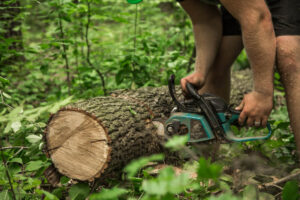
An arborist also builds a timeline that blends Tree Pruning & Crown Shaping with removals. For example, if a Norway maple dominates a yard and forces turf into shade stress, a light crown reduction and lift can reduce the need to remove three small understory trees. Grind the stumps of those that do come out, then underplant with species that thrive in the new light pattern.
Dangerous Tree Assessment and Removal: when stumps are a relief
Sometimes the easiest stump is the one you wanted gone for safety reasons. A leaning poplar over a garage or a split fork maple by a playset is a knot in the stomach every wind day. Dangerous Tree Assessment and Removal starts with a look at targets, defects, and load paths. If removal is warranted, schedule stump service soon after. Leaving a tall stump as a “natural seat” near a driveway is an invitation for a bumper or a mower deck to find it. In high use zones, grinding flush or slightly below grade makes life cleaner and safer.
After storm removals handled under Emergency Tree Services, the stump can hide hazards like twisted rebar, fencing, or hardware. Crews expect this and plan for extra tooth wear. If insurance is part of the claim, document the stump condition before grinding, then capture photos of the cavity and depth. Insurers often accept stump costs when they are clearly storm related and tied to restoring safe access.
Tree Cable and Bracing and the stump that never forms
One of the quiet wins of proactive care is the stump that never appears. With Tree Cable and Bracing on a structurally sound but vulnerable leader, and timely crown reductions, I have watched families enjoy swing branches for another decade instead of cutting the tree and grinding a four foot flare at the base. It is not glamorous work, but it is the craft side of arboriculture. The fewer stumps we leave, the more canopy we keep, and the cooler and calmer our yards feel in summer.
The neighbor factor and property lines
Stumps on or near a property line require extra diplomacy. Roots do not respect surveys, and grinding on one side can disturb soil under the fence on the other. Talk with your neighbor, mark the line, and agree on chip handling. If the stump straddles the line and the tree was shared, both owners usually share costs. Municipal rules vary, so a quick call can prevent a dispute later. Professional crews handle this often and can help you document the work.
When fast really matters
Speed has a place. If you are listing a home and need the yard clean for photos next week, a focused Stump Removal & Grinding visit can transform curb appeal in a day. I have had sellers add sod over a properly compacted grind site and photograph the yard two days later. Buyers see a finished space, not a project. The key is to avoid papering over problems. Do the depth, manage the chips, and set the grade right so the fix still looks good at closing.
Speed also matters when you are sequencing trades. Landscapers want a flat canvas, fence crews want clear post paths, and concrete crews want compacted subgrade. A tree company that offers coordinated Tree Removal Services and stump work keeps your project moving.
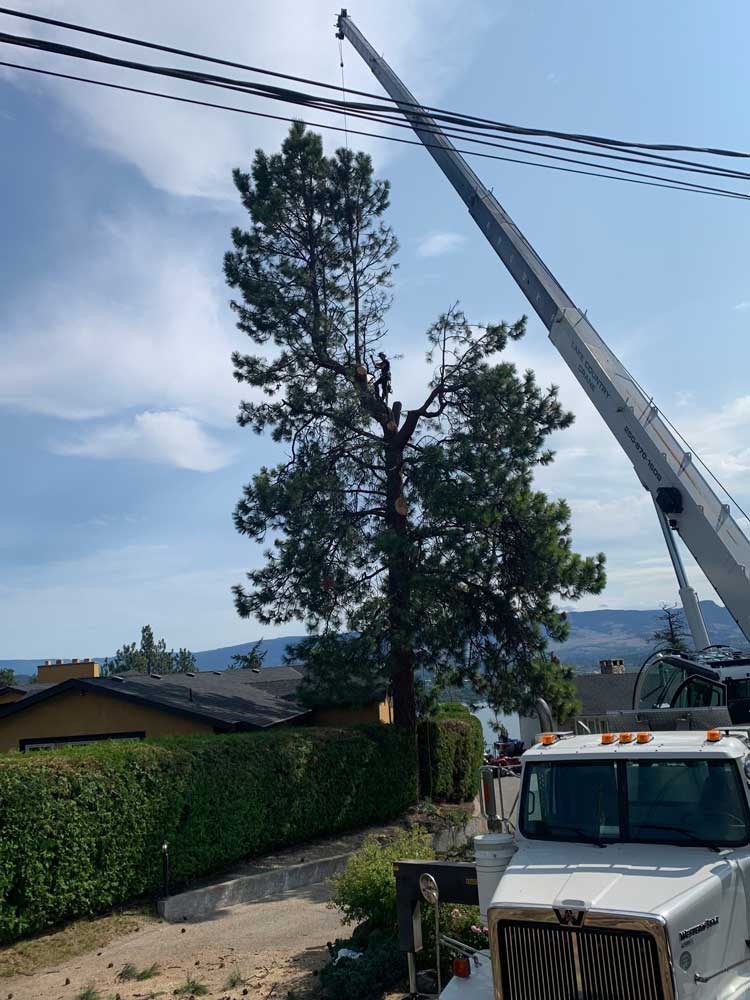
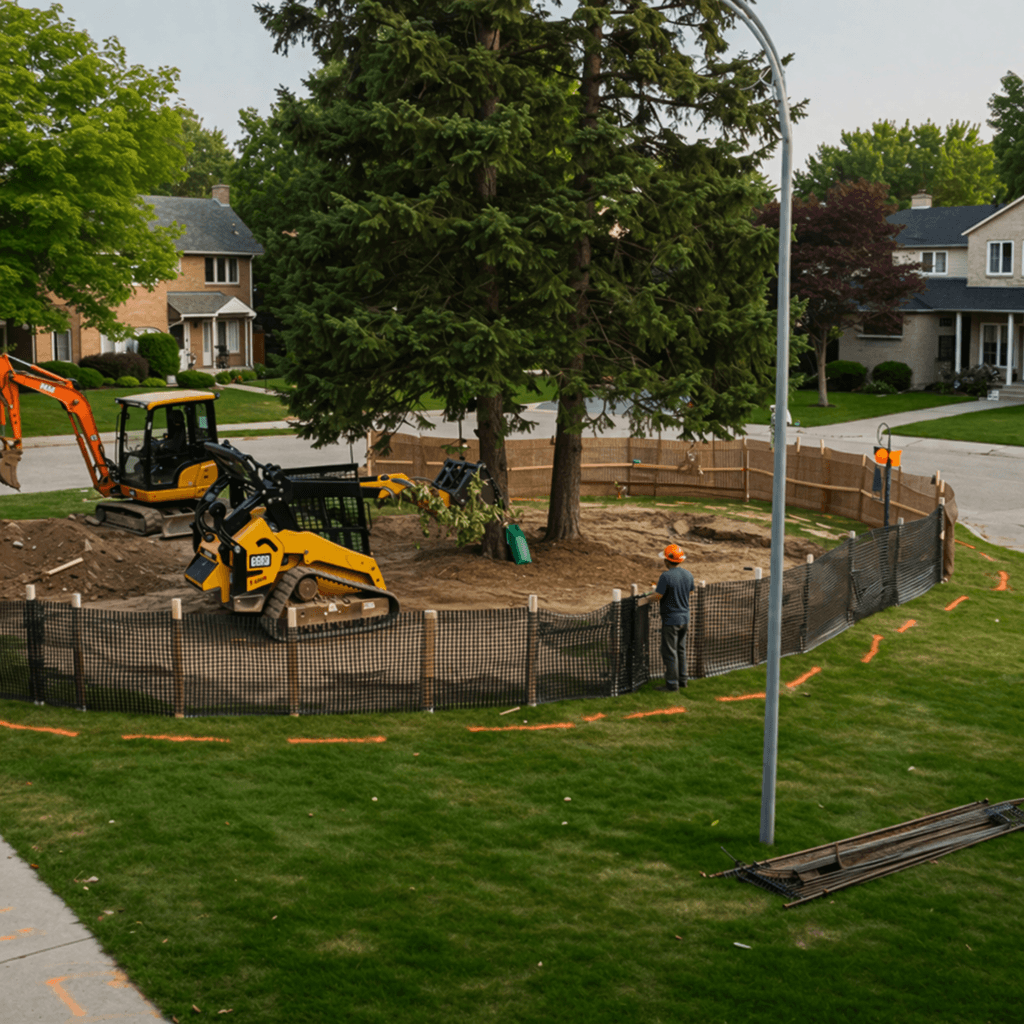
Final thoughts from the field
A yard full of stumps feels like a chore list you cannot start. Once you choose a method, the rest is straightforward. Match the depth to the next use, respect utilities, manage chips like a material not an afterthought, and treat regrowth as a short season of persistence, not a failure. Bring in a Certified Arborist Consultation when the landscape story is bigger than a stump, and lean on Emergency Tree Services if weather puts you on the back foot. Keep Tree Pruning & Crown Shaping in the mix so you grow fewer stumps in the future, and use Tree Cable and Bracing when it buys time for good trees.
I have seen a play lawn come back from a chest high tangle of suckers and two broad stumps in a single week. The dog got its fetch field, the kids got their net set, and the parents got their weekends back. That is the point of this work. Clear the obstacles, set the grade, and hand the yard back to the people who use it.
Ace Tree Services Ltd.
Name: Ace Tree Services Ltd.Address: 4656 Wallace Hill Road, Kelowna, BC
Postal code: V1W 4C2
Phone: 250-212-9593
Website: https://acetree.ca/
Hours:
Monday: 7:00 AM - 5:00 PM
Tuesday: 7:00 AM - 5:00 PM
Wednesday: 7:00 AM - 5:00 PM
Thursday: 7:00 AM - 5:00 PM
Friday: 7:00 AM - 5:00 PM
Saturday: 7:00 AM - 5:00 PM
Sunday: Closed
Open-location code (plus code): RHF8+8G Kelowna, British Columbia, Canada
Map/listing URL: https://www.google.com/maps/place/Ace+Tree+Services+Ltd./@49.8232606,-119.4337283,659m/data=!3m2!1e3!4b1!4m6!3m5!1s0x537d8b1d074815c5:0x450b88afa7a41435!8m2!3d49.8232606!4d-119.4337283!16s%2Fg%2F11ydkpnh22
Embed iframe:
"@context": "https://schema.org", "@type": "HomeAndConstructionBusiness", "name": "Ace Tree Services Ltd.", "url": "https://acetree.ca/", "telephone": "250-212-9593", "address": "@type": "PostalAddress", "streetAddress": "4656 Wallace Hill Road", "addressLocality": "Kelowna", "addressRegion": "BC", "addressCountry": "CA" , "openingHoursSpecification": [ "@type": "OpeningHoursSpecification", "dayOfWeek": "https://schema.org/Monday", "opens": "07:00", "closes": "17:00" , "@type": "OpeningHoursSpecification", "dayOfWeek": "https://schema.org/Tuesday", "opens": "07:00", "closes": "17:00" , "@type": "OpeningHoursSpecification", "dayOfWeek": "https://schema.org/Wednesday", "opens": "07:00", "closes": "17:00" , "@type": "OpeningHoursSpecification", "dayOfWeek": "https://schema.org/Thursday", "opens": "07:00", "closes": "17:00" , "@type": "OpeningHoursSpecification", "dayOfWeek": "https://schema.org/Friday", "opens": "07:00", "closes": "17:00" ], "geo": "@type": "GeoCoordinates", "latitude": 49.8232606, "longitude": -119.4337283 , "hasMap": "https://www.google.com/maps/place/Ace+Tree+Services+Ltd./@49.8232606,-119.4337283,659m/data=!3m2!1e3!4b1!4m6!3m5!1s0x537d8b1d074815c5:0x450b88afa7a41435!8m2!3d49.8232606!4d-119.4337283!16s%2Fg%2F11ydkpnh22"
Ace Tree Services Ltd. provides professional tree removal, pruning, stump grinding, emergency response, and arborist consultations for properties in Kelowna and across the Okanagan Valley.
The company works with homes, commercial properties, and municipal settings where tree work needs to be planned carefully around buildings, fences, driveways, landscaping, and other site constraints.
Based in Kelowna, the team is positioned to help nearby neighbourhoods and surrounding Okanagan communities with routine tree care and time-sensitive storm cleanup.
Customers looking for careful tree work often want a crew with certified arborist training, insurance, and a methodical approach to higher-risk removals.
Services also include dangerous tree assessment, cabling and bracing, and wildfire risk reduction tree work for properties that need longer-term planning.
To request a quote or discuss tree care options, call 250-212-9593 or visit https://acetree.ca/.
A public map listing is available to help customers confirm the business location and get directions before a site visit or estimate.
For Kelowna property owners who need pruning, removals, or emergency tree help, a local tree service can make it easier to schedule site-specific recommendations and cleanup.
Popular Questions About Ace Tree Services Ltd.
What services does Ace Tree Services Ltd. provide?Ace Tree Services Ltd. lists tree removal, stump removal and grinding, tree pruning and crown shaping, emergency tree service, arborist consultation, dangerous tree assessment and removal, cabling and bracing, and wildfire risk reduction tree work.
Who does Ace Tree Services Ltd. serve?
The company describes its work as serving homes, businesses, and municipalities in Kelowna and across the Okanagan Valley.
Is emergency tree help available?
Yes. Emergency service is listed for downed or uprooted trees, dangerous tree assessment, stabilization work, and branch cleanup. If a tree is near power lines, the safest first step is to stay clear and contact the utility provider before any tree work begins.
Do I always need a permit to remove a tree?
Not always. Permit requirements can depend on where the tree is located and whether it is near a creek, lake, steep slope, or another protected area. It is best to check local rules for the specific property before removal work starts.
How deep does stump grinding usually go?
Standard stump grinding is typically described as going about 6 to 12 inches below ground level, which is often enough for grass or surface landscaping. Deeper grinding may be possible when site plans call for it.
How much of a tree can be safely removed at one time?
That depends on the species, age, health, and structure of the tree. In practice, good pruning is usually about removing the right limbs for health, clearance, and structure rather than chasing a fixed percentage.
What are common signs that a tree may be dangerous?
Large dead limbs, visible cracks, a new lean, root damage, canopy dieback, or storm-related damage can all be warning signs. Trees near structures deserve extra attention when any of those issues appear.
What is cabling and bracing in tree care?
Cabling and bracing are support systems used to reduce the risk of failure in trees with structural weaknesses that may still be worth preserving. They are generally used to add support, not to replace good assessment and ongoing maintenance.
How do I contact Ace Tree Services Ltd.?
Call 250-212-9593.Website: https://acetree.ca/.
Landmarks Near Kelowna, BC
Downtown KelownaThe downtown core is a practical reference point for lakefront neighbourhoods, mixed-use streets, and central residential properties. If your property is near downtown, tree pruning, removals, and cleanup can be planned around tighter access and nearby structures.
Knox Mountain Park
This well-known park north of downtown is a recognizable landmark for nearby homes and hillside properties. If you are close to this area, ask about tree assessment, trimming, or removal work suited to sloped sites.
Mission Creek Greenway
The greenway runs through several parts of Kelowna and is a useful landmark for nearby residential areas. If your property borders or sits near this corridor, site-specific tree planning is especially important.
Pandosy Village
Pandosy is one of Kelowna’s most recognizable neighbourhoods and a common reference point for south-central properties. If you are nearby, request help for pruning, removals, or storm cleanup around homes and small commercial sites.
Rutland
Rutland is a major east Kelowna neighbourhood with a mix of residential and local commercial properties. If you are located in or near Rutland, tree work can be scheduled for both routine maintenance and urgent situations.
Landmark District
This central business-focused area is a practical landmark for offices, service properties, and nearby residential streets. If your site is near the district, ask about careful tree work around parking, access lanes, and built-up lots.
Kelowna’s North End
The North End sits on the edge of downtown and is a useful reference for nearby homes, industrial sites, and commercial properties. If you are in this part of the city, request tree care based on the layout and constraints of the lot.
Airport District
The Airport District is a recognizable north Kelowna reference point for surrounding properties and access routes. If you are in this area, ask about tree services for residential acreage, commercial sites, or roadside cleanup needs.
Glenmore & Dilworth
These established Kelowna neighbourhoods are useful landmarks for central and north-central service calls. If your property is nearby, pruning and removal work can be tailored to mature trees and established landscapes.
Highway 97 Corridor
Highway 97 is one of the city’s main travel routes and a common way to describe location within Kelowna. If your home or property is just off the corridor, a clear landmark reference can help speed up quote scheduling and site planning.