Tree Pruning & Crown Shaping to Improve Sunlight Penetration
Sunlight is the driver behind healthy canopies, vigorous lawns, productive gardens, and sound wood. When a tree grows dense, light starves the interior and everything below. Lower branches die back, turf thins, and perennials stretch and flop. Thoughtful Tree Pruning & Crown Shaping lets more light thread through the canopy without sacrificing the tree’s structure or resilience. Done poorly, it sets a tree up for stress, storm breakage, and decay. The difference is not just a steady hand on a saw, it is judgment formed by years in the canopy, reading wood fibers, growth patterns, and site conditions.
What “more sunlight” really means for a canopy
Trees use light not just at the outer shell, but throughout a layered crown. In a natural forest, the upper canopy captures most light while lower strata adapt to dappled conditions. In yards, we push for sunnier lawns and garden beds. If we simply open the top of a tree, interior leaves can sunburn, water demand can spike, and regrowth may explode with weak shoots. The goal is not a floodlight effect. It is an even wash of light, with small sun flecks and moving patterns that stimulate photosynthesis in interior leaves and reach the understory through gaps, not gashes.
As a rule of thumb, most mature shade trees respond well when no more than 15 to 25 percent of live foliage is removed in a single pruning cycle. Younger, vigorous trees tolerate the higher end of that range better than older specimens. If a tree has been neglected for a decade, spreading the work across two or three years keeps stress in check and allows the canopy to acclimate to brighter conditions.
Crown shaping is not topping
Topping removes large diameter ends and forces a hedge-like cap across the canopy. It creates stub cuts, stimulates rampant, weakly attached shoots, and invites decay. Crown shaping, by contrast, uses reduction cuts to lateral branches that are at least one third the diameter of the removed section. This preserves a natural outline, retains leaf-bearing branches near the cut to absorb sunlight, and lowers the risk of sunscald. The difference is visible months later. Topped trees look chewed off and bristling. Properly shaped canopies look like they grew that way.
A real case from a corner lot I maintain shows the stakes. A Norway maple had been topped years before I got the call. After each storm, clusters of sprout wood would tear off, leaving fresh wounds and more decay. We shifted to a three-year rehabilitation plan: selective reduction to strong laterals, interior cleaning of dead sprout clusters, and light crown thinning. By year three, the tree held its form in 50 mile per hour gusts, and the kitchen got gentler midday light. Sunlight improved under the tree without sacrificing its shade value by the patio.
The core techniques that increase light without courting failure
Crown thinning, crown raising, and crown reduction are the main pruning categories that influence light. Structural pruning complements them by guiding how future branches distribute weight and space.
Crown thinning reduces leaf density selectively throughout the crown to let sun and air move through. The emphasis is on small interior branches crossing or competing, not on removing big limbs. In practice, I rarely thin more than 10 to 20 percent on a mature tree in one visit, and I aim for an even distribution. If one quadrant reads too open, I leave more interior shoots to keep the crown balanced. Thinning should not make the canopy see-through like lace. It should feel breathable.
Crown raising removes lower branches to lift the canopy line for pathways, views, or lawn health. Raising works well to bring morning and late afternoon sun onto grass or vegetable beds while retaining shade higher up. Be cautious with large lower limbs on oaks, elms, and maples, since those limbs often carry a significant share of the tree’s energy flow. When I need to raise the skirt significantly, I prefer phased work over two or more years.
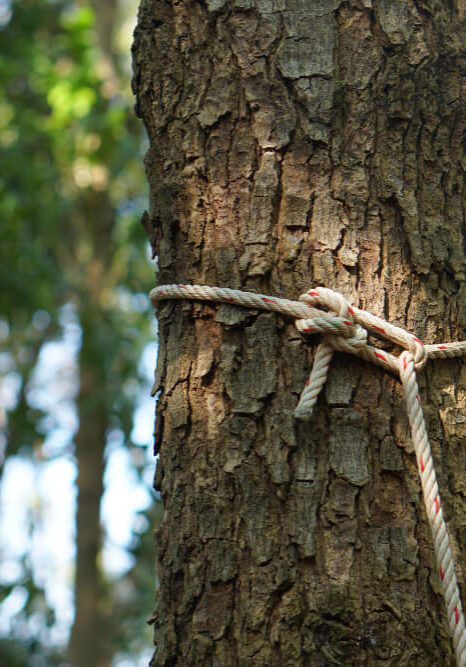
Crown reduction brings height or spread down by shortening leaders to well-placed lateral branches. Use it where distance to a structure, driveway, or neighbor demands clearance. Reduction can also shape how sun enters a yard. On fruit trees, for example, smart reduction keeps fruiting wood within reach and bathes spurs in light. On big shade trees, reduction is a finesse move. If more than about 2 to 3 inches of diameter has to come off in a single cut, it pays to check for alternatives like targeted thinning, tree cable and bracing, or relocating the garden that craves sun.
Structural pruning focuses on the framework while the tree is young. On a 6 to 12 year old tree, a few well-chosen cuts build a strong, open crown for life. I look for a single dominant leader, well spaced scaffold branches spiraling around the trunk, and branch attachments with good angles, roughly 45 to 60 degrees. When homeowners ask me how to get more light under a maturing tree, I often explain that the most cost effective time to create a bright, stable canopy was the first decade. If that window has passed, we can still improve things, it just takes more care and usually more visits.
Reading species, site, and seasons
The right cut on the wrong species, or at the wrong time, is still the wrong move. Timing and technique pivot on what tree we are working with and what the site is asking.
Maples and birches bleed sap in late winter and early spring. Pruning them while still dormant often causes heavy sap flow, which looks worse than it is, but can attract insects and complicate sealing at the branch collar. I prefer late summer into early fall for light thinning on these species, avoiding the hottest, driest weeks.
Oaks carry a high risk of oak wilt in many regions. In oak wilt zones, keep pruning to the coldest part of winter or when local extension guidance says risk is minimal. Paint large cuts immediately to reduce beetle transmission. I would not chase sunlight through summer pruning on red or white oaks where the disease pressure is known.
Stone fruits and apples benefit from regular reduction and thinning, often right after fruiting. Opening the canopy boosts air movement, speeds dry down after rain, and increases sugar in next season’s fruit by getting light to developing spurs.
Conifers ask for a different touch. Many do not respond well to reduction of older wood, especially spruces and pines. Thinning often means removing entire small limbs back to the trunk or snapping off new candles to control density. If conifers are blocking critical light, sometimes the right call is relocation of beds or, in tough cases, Tree Removal Services for a conifer that was simply planted in the wrong place.
Microclimate matters. A south https://acetree.ca/stump-removal-grinding/ facing yard that bakes at noon needs a different strategy than a narrow north alley with just two hours of oblique light. I walk the site at the times the homeowner cares about most, then plan cuts that sculpt light during those windows. It is common for me to remove a lower southwest limb to unblock a 4 to 6 foot band of afternoon light right where tomatoes sit, while leaving the eastern side almost untouched to preserve morning shade on the patio.
How sunlight moves after you prune
The day after pruning often looks brighter than it feels a month later. As leaves reorient and shoots respond, crowns can self-correct some of the new gaps. That is why I check work with the sun behind me, looking for the soft glow of light within the canopy, not just the shape of the outline. A well tuned crown shows pinholes of sky from most angles, but not gaping windows. You should be able to stand under the tree at noon and see shifting speckles on the lawn, not broad white patches.
I also measure downstream effects. If the goal is to revive turf in a 15 by 20 foot area, I expect germination and coverage to improve within the next growing season. If flowers were flopping, I look for more compact growth. For fruit trees, I track color and sugar on the shaded side. Where solar panels were shaded by limb tips, I ask the owner to compare production data pre and post work. Hard numbers sharpen judgment for the next visit.
Safety, tools, and cut quality the tree can live with
Good pruning takes sharp tools, clean angles, and sound protection for the branch collar. The three cut method for larger limbs gives you a clean finish that resists tearing. First, an undercut an inch or two out from the branch collar, then a top cut further out to drop the weight, and a final cut just outside the collar without damaging it. Flush cuts scar poorly and weaken the tree’s ability to seal. Leaving stubs invites decay and epicormic sprouts.
Protect yourself and others. Even seemingly small limbs can whip, bind saws, and kick back. Helmets with face shields, eye and ear protection, and leg protection when using chainsaws are non negotiable. Ground crews should know drop zones, hand signals, and rope handling. If you are looking up at a dead limb over a roofline or power service drop, stop. That is what Emergency Tree Services exist for. I would rather field a weekend call than see a homeowner or a neighbor hurt by a failed limb or a saw in a precarious spot.
When structural support is smarter than more cutting
Sometimes we can deliver sunlight while also reducing mechanical risk by combining modest pruning with tree cable and bracing. Included bark at a main fork, a long horizontal limb over a driveway, or a weak union on a dual leader can often be stabilized with a cable system. Modern dynamic cabling spreads loads and allows controlled movement. Properly installed, it can buy years of service life and keep a graceful crown intact while you open strategic windows for light. Cabling is not a substitute for reckless cutting, and it is not a cure for severe decay. A Certified Arborist Consultation helps separate candidates for support from trees headed toward failure.
FireSmart thinking around homes and cottages
In fire prone regions, FireSmart Tree Services overlap with sunlight goals. Thinning ladder fuels, separating crowns, and raising low limbs within the first 30 feet of a structure increases defensible space. The same work lets more sun reach the ground, which can green up turf and reduce thatch in irrigated zones. Where I am asked to brighten a yard near a wildland edge, I often propose phased raising on conifers to 6 to 10 feet, removal of deadwood in crowns, and separation of tree canopies so flames do not leap from crown to crown. This improves light patterns for gardens without sacrificing shade where it is wanted.
Recognizing when a tree is dangerous, not just dark
Some trees block light because they have grown unchecked for decades. Others grow dense because they are trying to wall off decay or compensate for structural weakness. A leaning poplar with a basal cavity is not a candidate for casual thinning. It is a candidate for a Dangerous Tree Assessment and Removal discussion. Signs that make me pause include fruiting bodies at the base or on major limbs, longitudinal cracks, soft zones underfoot near the trunk, and fresh soil heaving opposite a lean. In these cases, a sunlight agenda takes a back seat to public safety.
When removal is the right call, follow through on Stump Removal & Grinding. Leaving a tall stump often invites suckers and becomes a trip hazard. Grinding to 6 to 12 inches below grade and backfilling lets you replant with a better suited species or reclaim the space for garden beds that will enjoy the newfound sun. Some clients choose to leave part of a stump as a habitat feature. That is a valid choice in the right spot away from play areas and structures, and it speaks to broader goals beyond light.
How I stage a light focused pruning project
Before I cut, I make sure we are solving the right problem. If the lawn is thin under a dense Norway spruce, no amount of pruning will create a Kentucky bluegrass meadow. If the vegetable garden sits in the shade of a two story house until noon, chasing the neighbor’s ash has little payoff. With the target confirmed, I plan work in zones, starting with the fewest, smallest cuts that deliver the most light.
Here is a homeowner friendly checklist that frames the first visit with clarity:
- Stand where you want more light at the time of day you want it, and mark the sightlines to the sun with flags or photos.
- Identify must keep limbs, like those shading a favorite bench, and no go areas like bird nests or power lines.
- Set an annual limit on live foliage removal and a two year horizon for phased goals.
- Decide early if support systems like tree cable and bracing are on the table, or if pruning alone must carry the result.
- Ask for a Certified Arborist Consultation if disease, insects, or structural defects may be driving density.
On site, I mark removal and reduction points with chalk or paint. With the homeowner present, we often adjust two or three cuts once we see how a small change shifts light. It keeps expectations realistic and prevents the urge to take off one more big limb just because it is easy to reach.
Practical scenarios and trade offs
The July kitchen. A mature sugar maple is shading a south facing kitchen, and the owner wants more winter sun but summer shade. We thin interior suckers and reduce two upper leaders on the southern quadrant to strong laterals, lowering height by about 8 percent. In winter, the lower sun angle lines up with the new gaps and warms the room. In summer, the higher sun angle still meets the outer canopy, keeping indoor temperatures reasonable.
The shaded vegetable patch. A cedar hedge and a single large elm bracket a backyard bed. The cedar blocks morning light, the elm blocks afternoon. Cedar reduction is limited, so we lift the elm’s lower southwest limbs by 3 feet and thin interior shoots on that side. Then we remove one cedar in the center and stagger prune the remainder for modest transparency. The bed now gets 4 to 5 hours of solid sun, up from two. Yield improves without turning the yard into full sun desert.
The slow lawn. A bluegrass lawn under big red oaks thins each year. Oak wilt risk in the area is high. We keep pruning to midwinter, focus on deadwood removal and modest thinning, and bump irrigation efficiency. We supplement with shade tolerant turf mix and wait a season before we revisit cuts. Patience avoids disease vectors and preserves the long lived canopy.
Doing less can be the smartest move
I have walked away from jobs where the owner asked me to strip out the interior to create a sunroom effect under a tree. It would have spiked water stress and collapsed structural integrity. In other cases, I suggest moving a vegetable bed 6 feet east rather than cutting a 12 inch limb. A transplant costs a few hundred dollars and one Saturday. Removing that limb would have opened a wound that the tree would carry for life.
Likewise, if you are inside the dripline and see moss and sparse turf, consider mulch rings. A wide mulch ring, 3 to 4 inches deep and kept away from the trunk flare, lets you stop fighting grass under the canopy. It preserves soil moisture, improves root health, and makes space for shade friendly perennials that do not demand direct sun. The mulched area often looks brighter simply because it reads cleaner to the eye, even though the sun pattern has not changed.
When storms rewrite the plan
Heavy snow, ice, or wind can tear open canopies, creating sudden light and sudden risk. Emergency Tree Services matter here. After storms, I triage. Remove hanging limbs that threaten people, roofs, or power, stabilize broken leaders with temporary restraints if needed, then return later for finishing cuts. If a storm tore a new window of light into a yard, resist the urge to match it on the other side. Let the tree recover first, then evaluate the new light balance the following season. Storm damage can reveal poor structure that we can correct with selective reduction or, in severe cases, a planned removal.
How to tell a job was done well
The day the crew leaves is not the only measure. But there are early signs. Cuts sit just outside the branch collar with clean angles and no torn bark. The outline feels natural, not sheared. You can stand at different corners of the yard and see filtered light within the crown. The lawn shows more moving dapples, not a hard spotlight. In a month, regrowth is modest and aligned with existing structure, not a fuzz of vertical water sprouts. If cables were installed, hardware sits where planned, with proper anchors and no bark impingement.
If you want a simple, low risk blueprint for routine sunlight improvements, use a gentle sequence:
- Clean out dead, dying, and diseased branches first, which often brightens the canopy far more than expected.
- Thin small interior crossers and competing shoots to reduce clutter while keeping the natural form.
- Raise only where necessary for walkways, views, or targeted afternoon light on plants that need it.
- Reduce long tips to well placed laterals sparingly, and only where it solves a concrete problem like roof clearance or branch interference.
- Reassess after one growing season before pursuing more aggressive changes.
Bringing a professional onto the site
A Certified Arborist Consultation should feel like a working conversation. Expect questions about your goals at specific times of day, prior pruning history, irrigation and soil conditions, and species specific issues on the property. If a company leaps straight to large cuts without discussing phases or percentages, that is a red flag. If they suggest Tree Removal Services, ask for the evidence. Sound removals are supported by decay detection, structural analysis, or site constraints that pruning cannot solve.
Good firms stand behind Dangerous Tree Assessment and Removal when it is the right call, and they handle the details that follow, from rigging over fragile gardens to Stump Removal & Grinding. Quality outfits also coordinate allied work, like tree cable and bracing where appropriate, and FireSmart Tree Services near wildland edges. The best of them keep records with photos and cut maps so the next pruning cycle builds on a clear history rather than starting cold.
Choosing species and spacing for future light
If you are planting new trees with an eye to light patterns, think in decades. A honeylocust casts a lacy shade that welcomes lawn and perennials. A red oak creates deep shade in summer but admits beautiful winter sun when leaves drop. River birch gives morning sparkle and light winter bark interest, then feeds dappled light below. Avoid wedging large maturing trees within 10 to 12 feet of sunny windows. Give 15 to 25 feet of setback for most shade species if you want usable sun in shoulder seasons. That planting judgment pays off far more than anything we can do with a chainsaw later.
The long view
Trees grow, homeowners change furniture and gardens, and kids turn into teenagers who now park under that same maple. Sunlight needs evolve. Plan for pruning as a repeating conversation with the tree. A light touch every two to four years usually beats heavy reactive work a decade apart. You maintain leaf area and branch structure while coaxing consistent light to where you live and plant.
When you dial it in, a yard feels different. Mornings arrive through amber leaves. Tomatoes set better. The living room warms in February and cools in August. The tree looks like itself, only more confident. That is the mark of well judged Tree Pruning & Crown Shaping, and it lasts longer than the dust on the driveway after we leave.
Ace Tree Services Ltd.
Name: Ace Tree Services Ltd.Address: 4656 Wallace Hill Road, Kelowna, BC
Postal code: V1W 4C2
Phone: 250-212-9593
Website: https://acetree.ca/
Hours:
Monday: 7:00 AM - 5:00 PM
Tuesday: 7:00 AM - 5:00 PM
Wednesday: 7:00 AM - 5:00 PM
Thursday: 7:00 AM - 5:00 PM
Friday: 7:00 AM - 5:00 PM
Saturday: 7:00 AM - 5:00 PM
Sunday: Closed
Open-location code (plus code): RHF8+8G Kelowna, British Columbia, Canada
Map/listing URL: https://www.google.com/maps/place/Ace+Tree+Services+Ltd./@49.8232606,-119.4337283,659m/data=!3m2!1e3!4b1!4m6!3m5!1s0x537d8b1d074815c5:0x450b88afa7a41435!8m2!3d49.8232606!4d-119.4337283!16s%2Fg%2F11ydkpnh22
Embed iframe:
"@context": "https://schema.org", "@type": "HomeAndConstructionBusiness", "name": "Ace Tree Services Ltd.", "url": "https://acetree.ca/", "telephone": "250-212-9593", "address": "@type": "PostalAddress", "streetAddress": "4656 Wallace Hill Road", "addressLocality": "Kelowna", "addressRegion": "BC", "addressCountry": "CA" , "openingHoursSpecification": [ "@type": "OpeningHoursSpecification", "dayOfWeek": "https://schema.org/Monday", "opens": "07:00", "closes": "17:00" , "@type": "OpeningHoursSpecification", "dayOfWeek": "https://schema.org/Tuesday", "opens": "07:00", "closes": "17:00" , "@type": "OpeningHoursSpecification", "dayOfWeek": "https://schema.org/Wednesday", "opens": "07:00", "closes": "17:00" , "@type": "OpeningHoursSpecification", "dayOfWeek": "https://schema.org/Thursday", "opens": "07:00", "closes": "17:00" , "@type": "OpeningHoursSpecification", "dayOfWeek": "https://schema.org/Friday", "opens": "07:00", "closes": "17:00" ], "geo": "@type": "GeoCoordinates", "latitude": 49.8232606, "longitude": -119.4337283 , "hasMap": "https://www.google.com/maps/place/Ace+Tree+Services+Ltd./@49.8232606,-119.4337283,659m/data=!3m2!1e3!4b1!4m6!3m5!1s0x537d8b1d074815c5:0x450b88afa7a41435!8m2!3d49.8232606!4d-119.4337283!16s%2Fg%2F11ydkpnh22"
Ace Tree Services Ltd. provides professional tree removal, pruning, stump grinding, emergency response, and arborist consultations for properties in Kelowna and across the Okanagan Valley.
The company works with homes, commercial properties, and municipal settings where tree work needs to be planned carefully around buildings, fences, driveways, landscaping, and other site constraints.
Based in Kelowna, the team is positioned to help nearby neighbourhoods and surrounding Okanagan communities with routine tree care and time-sensitive storm cleanup.
Customers looking for careful tree work often want a crew with certified arborist training, insurance, and a methodical approach to higher-risk removals.
Services also include dangerous tree assessment, cabling and bracing, and wildfire risk reduction tree work for properties that need longer-term planning.
To request a quote or discuss tree care options, call 250-212-9593 or visit https://acetree.ca/.
A public map listing is available to help customers confirm the business location and get directions before a site visit or estimate.
For Kelowna property owners who need pruning, removals, or emergency tree help, a local tree service can make it easier to schedule site-specific recommendations and cleanup.
Popular Questions About Ace Tree Services Ltd.
What services does Ace Tree Services Ltd. provide?Ace Tree Services Ltd. lists tree removal, stump removal and grinding, tree pruning and crown shaping, emergency tree service, arborist consultation, dangerous tree assessment and removal, cabling and bracing, and wildfire risk reduction tree work.
Who does Ace Tree Services Ltd. serve?
The company describes its work as serving homes, businesses, and municipalities in Kelowna and across the Okanagan Valley.
Is emergency tree help available?
Yes. Emergency service is listed for downed or uprooted trees, dangerous tree assessment, stabilization work, and branch cleanup. If a tree is near power lines, the safest first step is to stay clear and contact the utility provider before any tree work begins.
Do I always need a permit to remove a tree?
Not always. Permit requirements can depend on where the tree is located and whether it is near a creek, lake, steep slope, or another protected area. It is best to check local rules for the specific property before removal work starts.
How deep does stump grinding usually go?
Standard stump grinding is typically described as going about 6 to 12 inches below ground level, which is often enough for grass or surface landscaping. Deeper grinding may be possible when site plans call for it.
How much of a tree can be safely removed at one time?
That depends on the species, age, health, and structure of the tree. In practice, good pruning is usually about removing the right limbs for health, clearance, and structure rather than chasing a fixed percentage.
What are common signs that a tree may be dangerous?
Large dead limbs, visible cracks, a new lean, root damage, canopy dieback, or storm-related damage can all be warning signs. Trees near structures deserve extra attention when any of those issues appear.
What is cabling and bracing in tree care?
Cabling and bracing are support systems used to reduce the risk of failure in trees with structural weaknesses that may still be worth preserving. They are generally used to add support, not to replace good assessment and ongoing maintenance.
How do I contact Ace Tree Services Ltd.?
Call 250-212-9593.Website: https://acetree.ca/.
Landmarks Near Kelowna, BC
Downtown KelownaThe downtown core is a practical reference point for lakefront neighbourhoods, mixed-use streets, and central residential properties. If your property is near downtown, tree pruning, removals, and cleanup can be planned around tighter access and nearby structures.
Knox Mountain Park
This well-known park north of downtown is a recognizable landmark for nearby homes and hillside properties. If you are close to this area, ask about tree assessment, trimming, or removal work suited to sloped sites.
Mission Creek Greenway
The greenway runs through several parts of Kelowna and is a useful landmark for nearby residential areas. If your property borders or sits near this corridor, site-specific tree planning is especially important.
Pandosy Village
Pandosy is one of Kelowna’s most recognizable neighbourhoods and a common reference point for south-central properties. If you are nearby, request help for pruning, removals, or storm cleanup around homes and small commercial sites.
Rutland
Rutland is a major east Kelowna neighbourhood with a mix of residential and local commercial properties. If you are located in or near Rutland, tree work can be scheduled for both routine maintenance and urgent situations.
Landmark District
This central business-focused area is a practical landmark for offices, service properties, and nearby residential streets. If your site is near the district, ask about careful tree work around parking, access lanes, and built-up lots.
Kelowna’s North End
The North End sits on the edge of downtown and is a useful reference for nearby homes, industrial sites, and commercial properties. If you are in this part of the city, request tree care based on the layout and constraints of the lot.
Airport District
The Airport District is a recognizable north Kelowna reference point for surrounding properties and access routes. If you are in this area, ask about tree services for residential acreage, commercial sites, or roadside cleanup needs.
Glenmore & Dilworth
These established Kelowna neighbourhoods are useful landmarks for central and north-central service calls. If your property is nearby, pruning and removal work can be tailored to mature trees and established landscapes.
Highway 97 Corridor
Highway 97 is one of the city’s main travel routes and a common way to describe location within Kelowna. If your home or property is just off the corridor, a clear landmark reference can help speed up quote scheduling and site planning.